

For independent convenience store owners, evaluating a supplier program means understanding its terms, inventory requirements, and day-to-day administration. A recent Sesh program announcement outlines a nicotine pouch offering with a quarterly rebate and a display allowance. Here is what the announcement includes—and what remains to be clarified.
What the announcement covers
The introductory materials describe a quarterly rebate of up to $0.16 per can and a $100 display allowance. They do not provide the full eligibility criteria, payment schedule, or display requirements. Store owners reviewing the program should obtain written terms before including either amount in their financial planning.
Questions to clarify include whether the rebate is based on purchases or sales, whether volume thresholds apply, and what documentation is required. For the display allowance, owners should confirm placement requirements, any minimum participation period, and whether the allowance is a one-time payment.
Product and inventory information
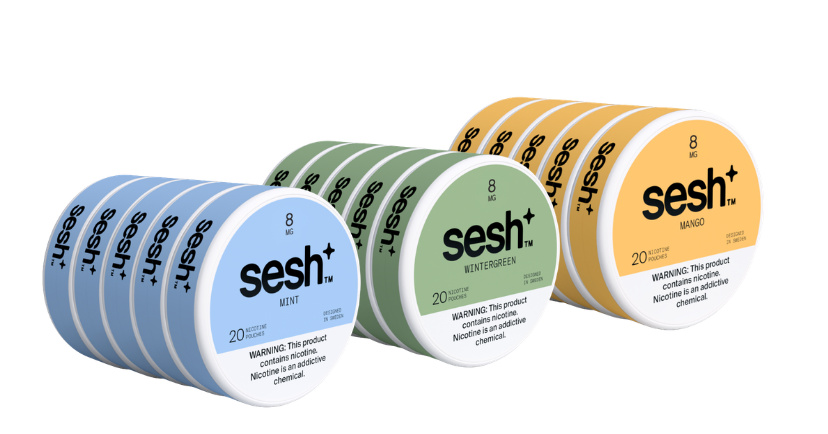
According to the supplied materials, Sesh cans contain 20 nicotine pouches. The announcement depicts Mint, Wintergreen, and Mango varieties, with packaging showing an 8 mg nicotine strength.
The materials also describe a slim pouch format and identify MCT oil as an ingredient used to retain moisture. These are supplier descriptions rather than independent assessments of product quality or safety.
For inventory review, owners should request a complete SKU list, case quantities, shelf-life information, storage instructions, and the supplier’s policy for damaged, expired, or unsold products.
Labeling and staff awareness
The pictured packaging carries a warning that the product contains nicotine and that nicotine is an addictive chemical. The introductory materials also state that the product is not intended to be used to quit smoking.
Staff should understand the product’s labeling and avoid presenting it as a smoking-cessation aid or making unsupported health claims. Owners should also review the requirements applicable to their location, including age verification and any restrictions affecting the specific products under consideration.
What to review before making a decision
The introductory email provides an overview, but several operational details remain unanswered. A complete review should include written program terms, supplier pricing, payment timing, ordering requirements, return policies, and any obligations associated with the display.
Keeping those details together gives independent store owners a clearer record of the program’s costs, administrative responsibilities, and conditions before deciding whether to participate.

